Use case
Happier users
Products that feel good to use
get used more. We design intuitive experiences
that make products easier to use.
+47
Average NPS increase after redesign
-52%
Reduction in support tickets
3.2x
Improvement in task completion rate
THE PROBLEM
Friction kills engagement
Users don't write bug reports about confusing navigation or clunky workflows.
No product clarity
Powerful features mean nothing if people can't figure out how to use them.
Inconsistency erodes trust
When every screen looks different, users can never build confidence.
First impressions aren't enough
Onboarding can be polished, but what about day 30? Day 90?
how we approach it
Audit and map
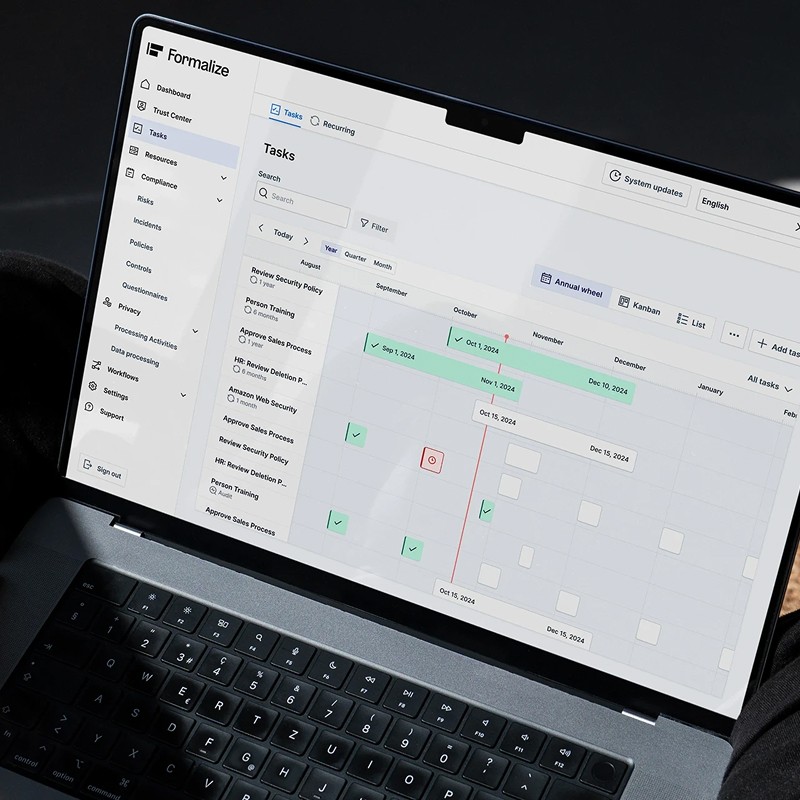
We start by mapping real user journeys to find where people get stuck, confused, or frustrated. Not assumptions or personas, but actual behavior patterns drawn from analytics, session recordings, and direct conversations with users.
Build consistency
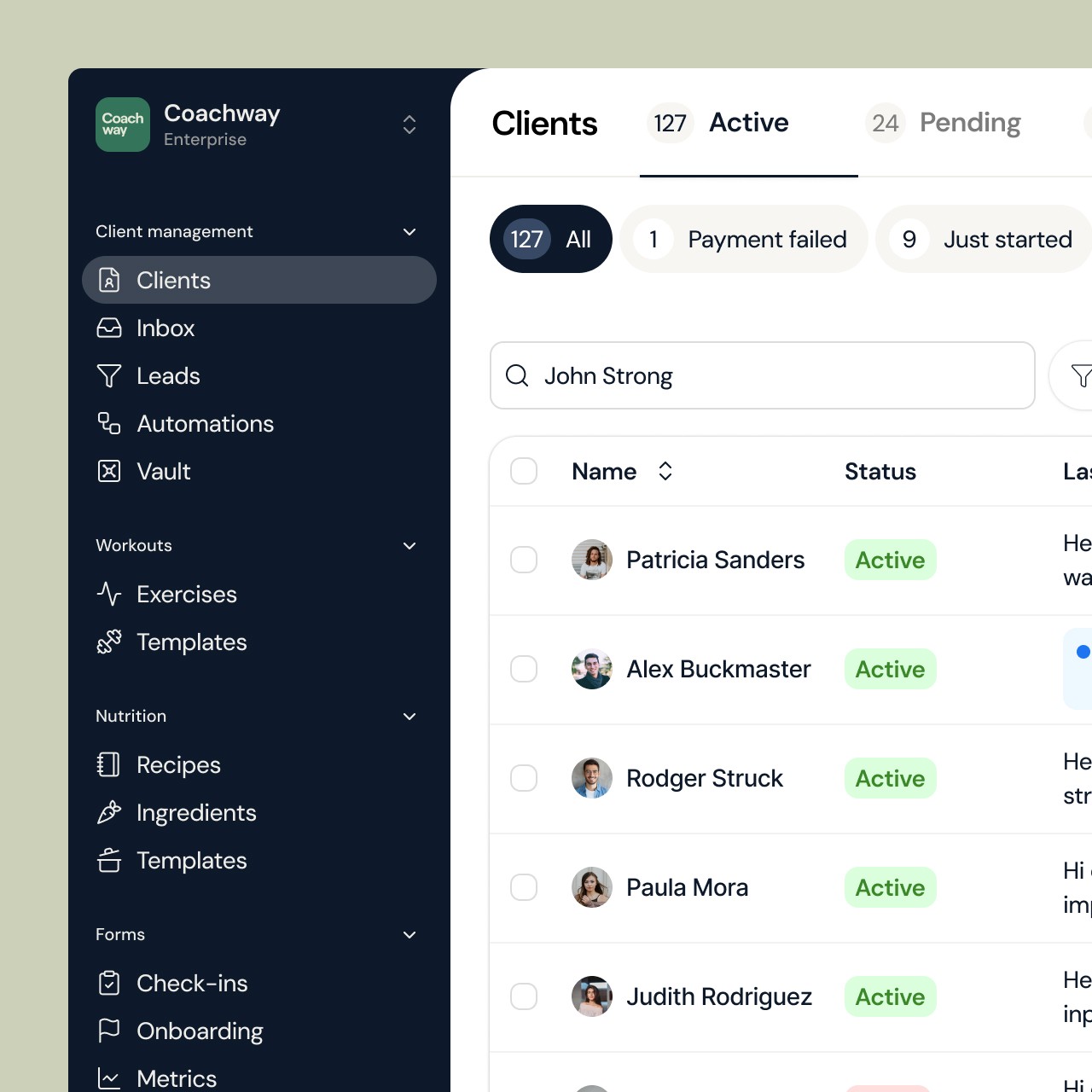
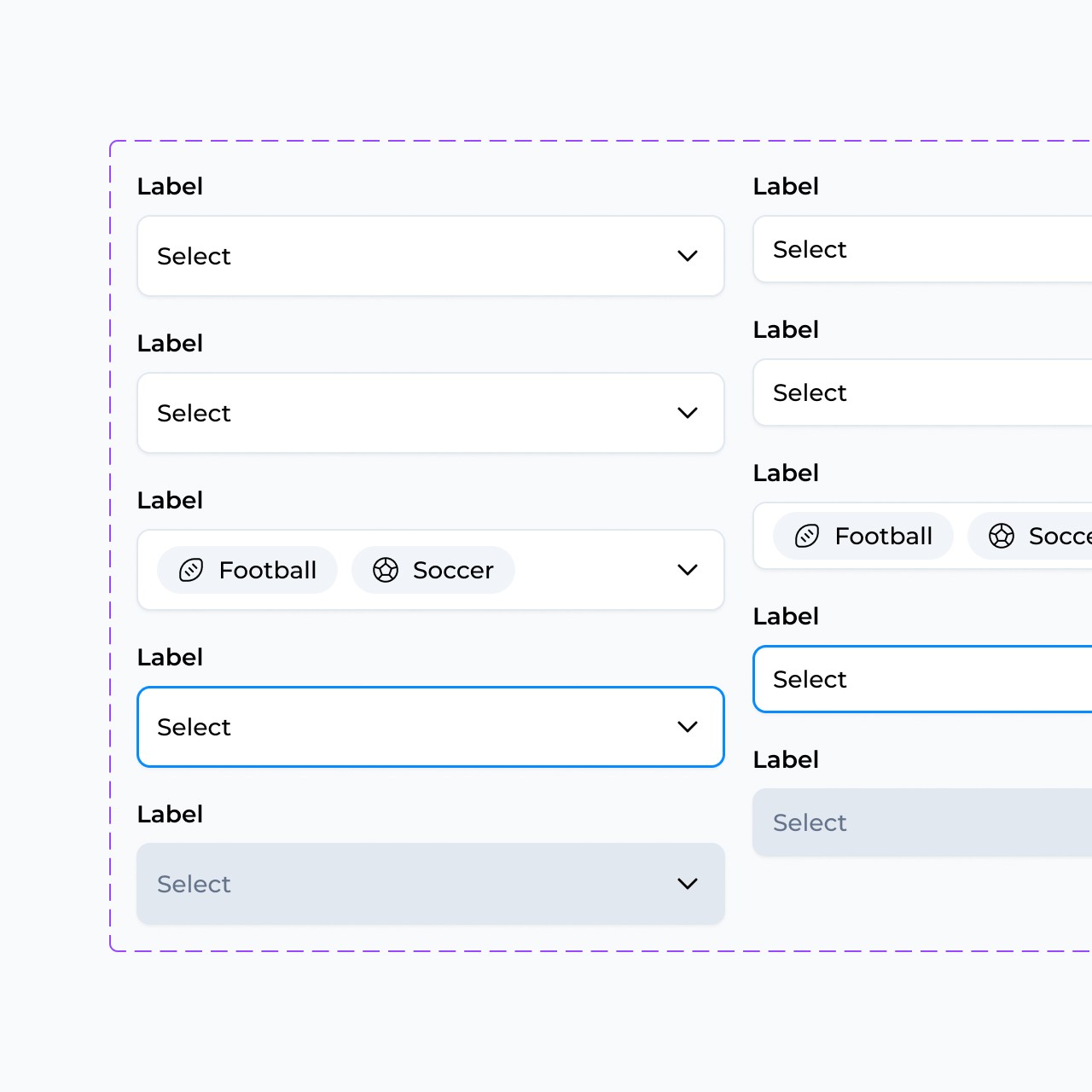
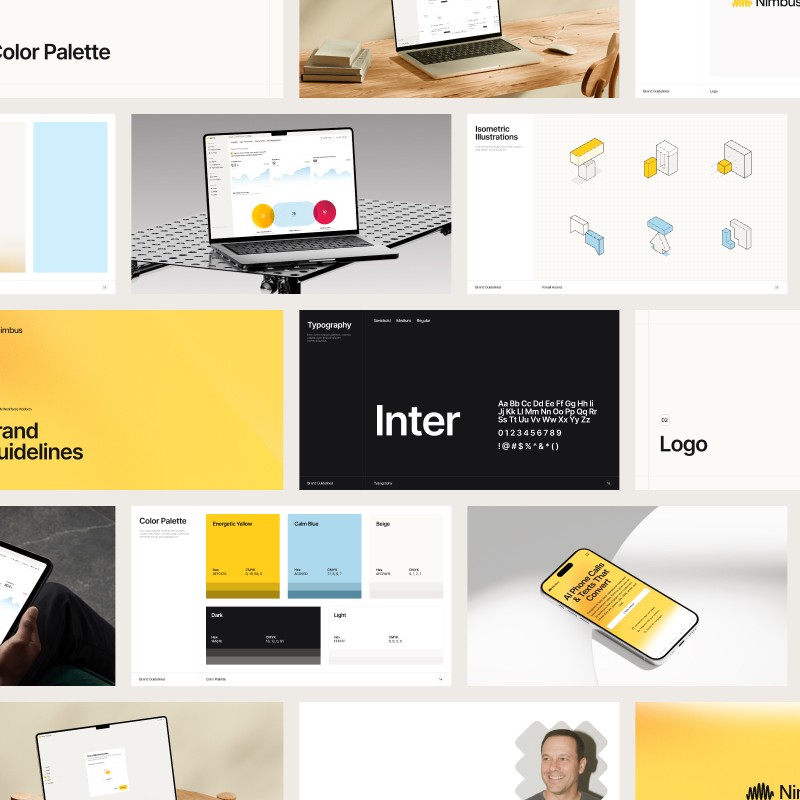
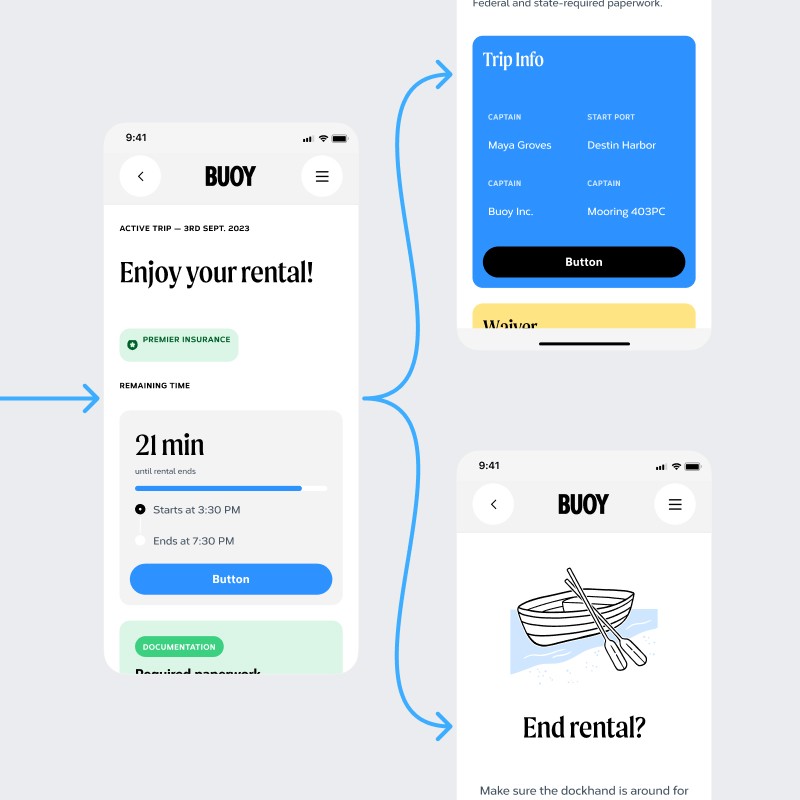
We create or refine design systems that give your product a coherent visual language: consistent patterns, predictable behaviors, and a clear hierarchy that helps users build confidence as they navigate. Trust is built through familiarity.
Test and measure
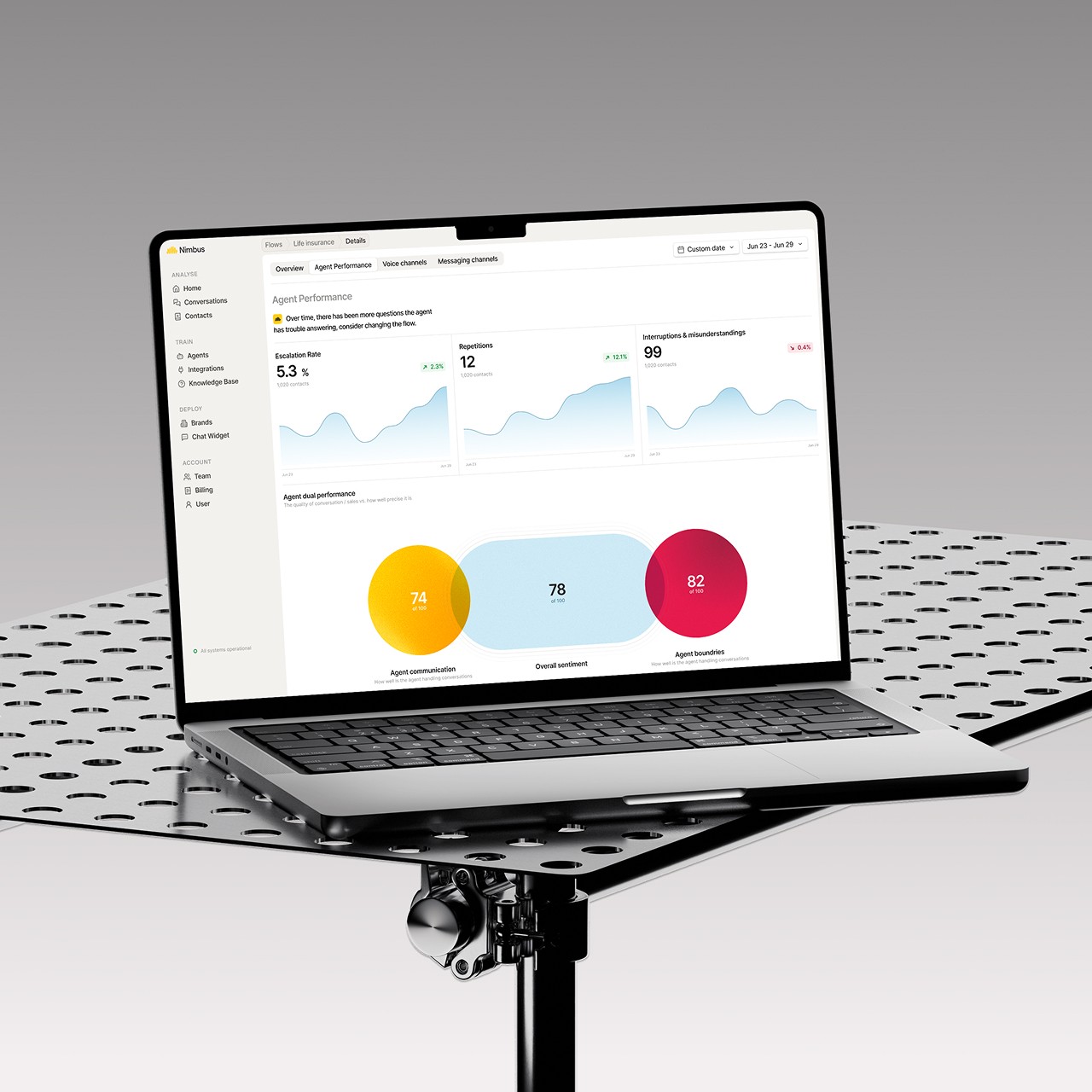
We validate every change against real outcomes: task completion rates, time-on-task, user satisfaction scores, and support ticket volume. Design decisions should be measurable, not just aesthetically justified.
Simplify flows
We restructure information architecture and task flows so users can accomplish their goals with fewer steps and less cognitive load. Every screen earns its place. Every interaction should feel like progress, not process.
what you get
Everything users want to use
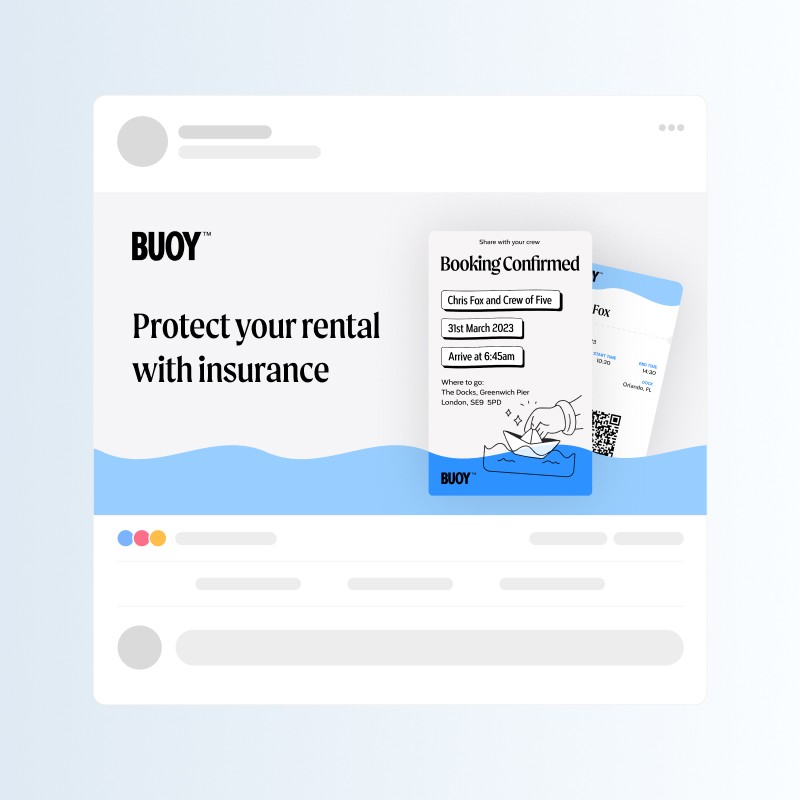
"From idea to execution, New Arc made the entire product feel seamless and real."
Jonah Nehorayan
CMO, ScoutUs
Related work
Better Preloader
Set up the component by connecting frame to the component or by adding content to the component properties.